What Does Integrative Physical Therapy Mean? A Holistic Approach to Healing at GUIDE Health and Wellness
Mar 18, 2026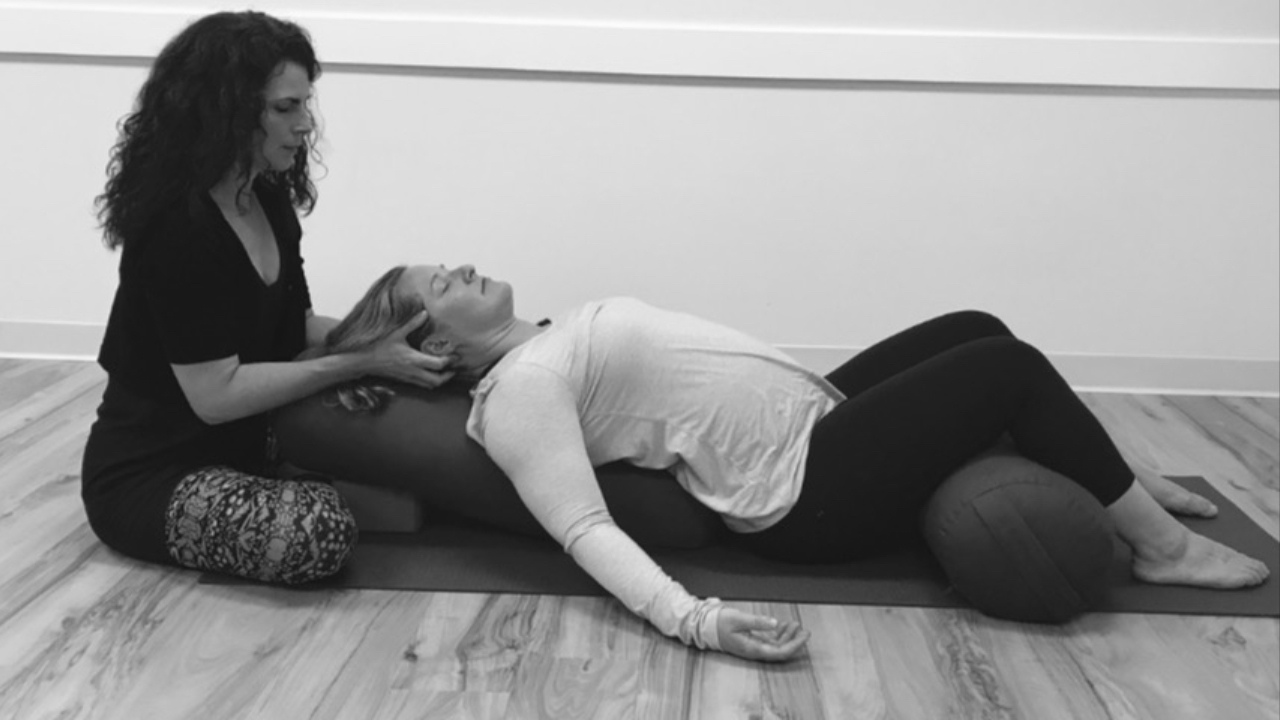
Introduction
In today’s healthcare landscape, many people find themselves searching for more than symptom relief—they want to understand their bodies, address root causes, and feel empowered in their healing process. This is where Integrative Physical Therapy offers a meaningful shift.
At GUIDE Health and Wellness, integrative physical therapy is not simply a set of techniques—it is a philosophy of care. It bridges traditional orthopedic physical therapy with a deeper, whole-person perspective, recognizing that pain and dysfunction are rarely isolated events. Instead, they are influenced by the complex interplay of the body, nervous system, lifestyle, and lived experience.
What Is Integrative Physical Therapy?
Integrative physical therapy is an approach that combines evidence-based rehabilitation with holistic, patient-centered care. Rather than focusing solely on the site of pain or injury, it considers the entire person—body, mind, and environment.
This approach recognizes that:
-
The body functions as an interconnected system
-
Pain may originate from or be influenced by distant or seemingly unrelated areas
-
The nervous system plays a central role in both healing and dysfunction
-
Emotional stress, habits, and lifestyle factors can directly impact physical health
In practice, integrative physical therapy blends traditional methods such as manual therapy and corrective exercise with techniques that support nervous system regulation, movement awareness, and overall wellness.
How It Differs from Traditional Physical Therapy
Traditional physical therapy is highly effective and often focuses on:
-
Strengthening weak muscles
-
Improving joint mobility
-
Restoring function after injury or surgery
Integrative physical therapy includes all of this—but goes further.
At GUIDE Health and Wellness, treatment may also explore:
-
Why an injury occurred in the first place
-
How movement patterns developed over time
-
The role of stress, breathing, and autonomic regulation
-
The connection between past injuries and current symptoms
Rather than asking, “How do we fix this pain?” integrative care asks,
“What is your body trying to communicate, and how can we support it?”
The Role of the Nervous System
A key component of integrative physical therapy is understanding the influence of the nervous system, particularly the autonomic nervous system.
When the body is in a heightened state of stress (sympathetic dominance), healing can be impaired. Muscles may remain tense, pain sensitivity can increase, and recovery may plateau.
Integrative physical therapy works to:
-
Improve vagal tone and parasympathetic activity
-
Reduce chronic muscle guarding and tension
-
Enhance the body’s ability to rest, repair, and adapt
This may include breathwork, gentle manual therapies, mindfulness-based movement, and education about how the body responds to stress.
Techniques Used in Integrative Physical Therapy
At GUIDE Health and Wellness, sessions are individualized and may incorporate a variety of approaches, including:
1. Hands-On Manual Therapy
Skilled manual techniques to assess and treat restrictions in the body, including soft tissue, joint, and fascial work.
2. Integrative Manual Therapy (IMT)
A specialized, whole-body approach that evaluates how different systems interact and influence one another, often addressing underlying contributors to pain.
3. Movement Re-education
Helping clients develop more efficient, sustainable movement patterns that reduce strain and improve function.
4. Yoga-Based Therapeutics
Incorporating principles of yoga to improve mobility, stability, breath awareness, and nervous system balance.
5. Breathwork and Nervous System Regulation
Teaching breathing strategies and awareness techniques to shift the body into a more restorative state.
6. Lifestyle and Self-Care Guidance
Supporting clients in integrating simple, sustainable practices into daily life that reinforce healing.
Conditions That Benefit from an Integrative Approach
Integrative physical therapy can be particularly helpful for individuals who:
-
Have persistent or recurring pain
-
Feel like they have “tried everything” without lasting results
-
Experience stress-related tension or symptoms
-
Are recovering from injury but not progressing as expected
-
Want a more holistic, collaborative approach to their care
Common conditions treated include:
-
Neck and back pain
-
Headaches and migraines
-
Joint pain and stiffness
-
Postural imbalances
-
Chronic pain syndromes
-
Stress-related physical symptoms
A Patient-Centered Experience
One of the defining features of integrative physical therapy at GUIDE Health and Wellness is the depth of the therapeutic relationship.
Sessions are not rushed. Time is taken to listen, assess, and understand your unique experience. This allows for:
-
More accurate identification of contributing factors
-
A personalized treatment plan
-
A collaborative healing process
Education is also central. Clients are guided to better understand their bodies, so they can participate actively in their recovery—not just receive treatment.
Why This Approach Matters
Many people live with pain that is treated in isolation—stretching a tight muscle, strengthening a weak area—without addressing the larger picture. While these interventions can help, they may not create lasting change if underlying patterns remain.
Integrative physical therapy offers a more sustainable path by:
-
Addressing root causes rather than symptoms alone
-
Supporting the body’s natural healing processes
-
Empowering individuals with knowledge and tools
-
Creating space for both physical and nervous system recovery
It aligns with a growing understanding in healthcare that true healing is multifaceted.
What to Expect at GUIDE Health and Wellness
Your first session is comprehensive and individualized. It may include:
-
A detailed conversation about your history and goals
-
Whole-body assessment of movement and alignment
-
Evaluation of nervous system patterns and responses
-
Hands-on treatment and guided movement
-
Practical strategies to support you between sessions
Each visit builds on the last, evolving as your body responds and progresses.
Integrative Physical Therapy as a Path Forward
Healing is rarely linear. It requires curiosity, patience, and a willingness to look beyond the obvious.
Integrative physical therapy provides a framework for doing exactly that—bringing together science, clinical expertise, and a holistic perspective to support meaningful, lasting change.
At GUIDE Health and Wellness, this approach reflects a commitment to treating not just conditions, but people—recognizing that every body has a story, and every healing journey is unique.
Action Steps for Readers
If you’re curious about integrative physical therapy, consider the following:
-
Reflect on patterns in your body: Where do you hold tension? When do symptoms arise?
-
Notice your breath: Is it shallow, held, or relaxed?
-
Explore gentle movement practices like yoga or walking with awareness
-
Seek care that looks beyond symptoms and values your full experience