The Importance of Healthy Hip Flexors: Mobility, Stability, and Whole-Body Wellbeing
Sep 13, 2026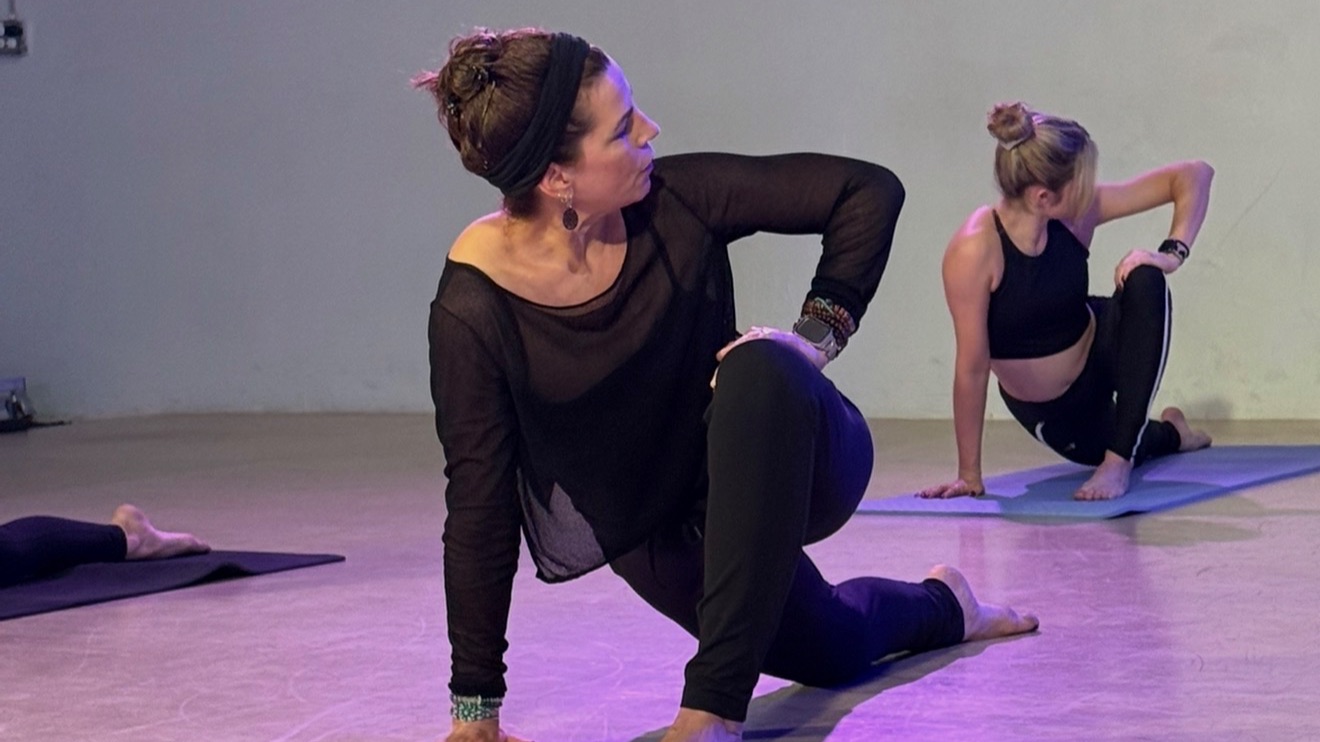
In modern life, many of us spend hours sitting—at desks, in cars, or looking down at screens. Over time, these repetitive positions can quietly influence the health of one of the body’s most important yet often overlooked muscle groups: the hip flexors.
Hip flexors play a critical role in walking, standing, balance, posture, spinal support, and efficient movement. When they become chronically tight, weak, inhibited, or overworked, the effects can ripple throughout the body, contributing to discomfort in the lower back, pelvis, knees, and even the neck.
As an integrative physical therapist and yoga teacher, I often see hip flexor dysfunction connected not only to physical pain patterns but also to stress, breathing mechanics, and nervous system regulation. Healthy movement is rarely about one isolated muscle. The body functions as an interconnected system.
Understanding how the hip flexors work—and how to care for them gently and consistently—can significantly improve mobility, stability, and overall wellbeing.
What Are the Hip Flexors?
The term “hip flexors” refers to a group of muscles that help lift the thigh toward the torso and assist with bending at the hip joint. The primary hip flexor muscles include:
- Iliopsoas (psoas major and iliacus)
- Rectus femoris (part of the quadriceps)
- Sartorius
- Tensor fasciae latae (TFL)
Among these, the psoas muscle deserves special attention. The psoas originates along the lumbar spine and connects into the femur, creating an important bridge between the spine, pelvis, and legs.
Because of this connection, tension or dysfunction in the psoas can influence spinal mechanics, pelvic alignment, breathing patterns, and even feelings of tension or guarding within the body.
Why Healthy Hip Flexors Matter
1. Posture and Spinal Support
Healthy hip flexors help support balanced posture and efficient movement mechanics.
When the hip flexors become chronically shortened from prolonged sitting, they may contribute to excessive anterior pelvic tilt—a forward tipping of the pelvis that can increase compression in the lumbar spine.
This altered alignment may contribute to:
- Lower back discomfort
- Increased spinal tension
- Reduced glute activation
- Altered walking mechanics
- Muscular compensation patterns
Conversely, hip flexors that are weak or inhibited can also reduce stability and movement efficiency.
The goal is not simply “stretching tight muscles,” but restoring balance between mobility, strength, coordination, and nervous system regulation.
2. Walking and Functional Movement
Every step you take requires coordinated hip flexor activity.
The hip flexors help advance the leg during walking and assist with transitions such as:
- Climbing stairs
- Standing from a chair
- Getting in and out of a car
- Bending and lifting
- Maintaining balance during movement
Restricted hip mobility can alter gait patterns and place additional strain on surrounding joints and tissues.
Over time, compensation patterns may contribute to discomfort elsewhere in the kinetic chain, particularly in the knees and lower back.
3. Breathing and Nervous System Connection
One of the most fascinating aspects of the psoas muscle is its relationship to the diaphragm and nervous system.
The diaphragm—the primary breathing muscle—shares fascial and functional relationships with the psoas. Chronic stress and shallow breathing patterns may contribute to increased muscular tension throughout the core and hip region.
When the nervous system remains in a prolonged state of stress or hypervigilance, muscles often adopt protective holding patterns.
This is one reason why aggressive stretching alone may not resolve chronic hip tightness.
A more effective approach often includes:
- Breath awareness
- Gentle mobility work
- Nervous system regulation
- Gradual strengthening
- Restorative movement practices
Signs Your Hip Flexors May Need Attention
You may benefit from improving hip flexor health if you experience:
- Stiffness after prolonged sitting
- Lower back tension
- Difficulty standing fully upright
- Tightness in the front of the hips
- Limited stride length when walking
- Hip pinching sensations
- Pelvic discomfort
- Reduced balance or stability
- Tight quadriceps or overactive low back muscles
These symptoms do not always originate solely from the hip flexors, but they can be an important contributing factor.
Why Aggressive Stretching Can Backfire
Many people instinctively try to “force” flexibility when they feel tightness.
However, muscles often tighten for protective reasons.
If the body senses instability, weakness, poor breathing mechanics, or nervous system overload, it may increase muscular guarding.
Aggressive stretching without stability and awareness can sometimes increase irritation rather than improve function.
Gentle, consistent mobility work combined with strength and breath awareness is often more sustainable and effective.
Gentle Stretches for Hip Flexor Health
The following stretches should feel mild and supportive—not painful. Slow breathing during these movements can help encourage nervous system relaxation and improved tissue mobility.
If you have injuries, joint replacements, significant pain, or medical concerns, consult an appropriate healthcare professional before beginning new exercises.
1. Supported Low Lunge Stretch
This gentle stretch targets the front of the hip while encouraging postural awareness.
How to Do It
- Begin in a kneeling lunge position.
- Place one foot forward with the knee stacked over the ankle.
- Keep the back knee padded with a blanket or cushion.
- Gently shift the pelvis forward slightly.
- Avoid overarching the lower back.
- Engage the lower abdominal muscles lightly.
- Breathe slowly for 5–8 breaths.
Helpful Tip
Think of lengthening upward through the spine rather than collapsing into the low back.
2. Constructive Rest Position
This restorative position can help reduce unnecessary tension patterns around the pelvis and lower back.
How to Do It
- Lie on your back with knees bent and feet on the floor.
- Allow the pelvis and lower back to soften.
- Rest hands on the abdomen or ribs.
- Practice slow diaphragmatic breathing for 2–5 minutes.
This position may help decrease chronic muscular guarding and improve awareness of breath mechanics.
3. Gentle Standing Hip Extension
This is useful for individuals who spend long hours sitting.
How to Do It
- Stand tall while holding onto a chair or wall.
- Slowly extend one leg behind you.
- Keep the pelvis level.
- Avoid arching the back.
- Hold briefly and repeat slowly.
This movement combines gentle mobility with muscular activation.
4. Figure Four Stretch
Tension in surrounding hip muscles can influence hip flexor mechanics and pelvic mobility.
How to Do It
- Lie on your back with knees bent.
- Cross one ankle over the opposite thigh.
- Gently draw the legs toward the chest.
- Keep the neck and shoulders relaxed.
- Breathe steadily.
5. Yoga-Inspired Crescent Pose (Modified)
A gentle yoga-based variation can improve both mobility and balance.
How to Do It
- Step one foot forward and one foot back.
- Keep the back heel lifted.
- Bend the front knee slightly.
- Lengthen through the spine.
- Keep the rib cage soft rather than flared.
- Hold for several slow breaths.
Use support from a chair or wall if needed.
Strength Matters Too
Mobility without stability can create vulnerability.
Healthy hip flexors function best when balanced with strong supporting muscles, including:
- Gluteal muscles
- Deep abdominal stabilizers
- Pelvic floor muscles
- Hamstrings
- Diaphragm
Integrative rehabilitation often includes coordinated strengthening and movement retraining rather than isolated stretching alone.
Lifestyle Strategies for Healthier Hip Flexors
Small daily habits can make a significant difference.
Consider:
- Taking movement breaks during prolonged sitting
- Alternating positions throughout the day
- Walking regularly
- Practicing mindful breathing
- Incorporating gentle yoga or mobility exercises
- Supporting overall stress management
- Improving ergonomic setup when working at a desk
Even standing and walking for a few minutes every hour may help reduce prolonged shortening of the hip flexors.
A Holistic Perspective on Hip Health
From an integrative perspective, persistent tension patterns are rarely caused by one factor alone.
Movement habits, injury history, stress physiology, breathing mechanics, emotional tension, sleep quality, and physical conditioning all influence how the body holds and distributes tension.
True healing often comes from listening to the body rather than forcing it.
Gentle consistency, awareness, and individualized care can help restore healthier movement patterns over time.
Final Thoughts
Healthy hip flexors are essential for comfortable movement, spinal support, balance, and long-term mobility.
Rather than viewing tightness as something to aggressively fight against, it can be helpful to approach the body with curiosity and respect.
When mobility work is combined with strength, breath awareness, nervous system support, and mindful movement, the body often responds more effectively and sustainably.
If you experience persistent pain, movement limitations, or chronic tension patterns, individualized assessment and integrative treatment may help uncover contributing factors unique to your body.
At GUIDE Health and Wellness, I believe in addressing the body as an interconnected system—supporting not only symptom relief but long-term resilience, movement quality, and overall wellbeing.
Gentle Reflection Questions
- How many hours each day do I spend sitting?
- Do I notice tension in the front of my hips after stress or prolonged work?
- Am I breathing deeply throughout the day?
- What movement practices help my body feel supported rather than strained?
- How can I incorporate small moments of mobility and awareness into daily life?
Invitation
If you are seeking a thoughtful, integrative approach to mobility, pain, posture, or movement health, GUIDE Health and Wellness offers individualized care that combines physical therapy, manual therapy, movement education, and therapeutic yoga.
To learn more or stay connected, subscribe to the newsletter for educational resources, wellness insights, and holistic strategies for resilient movement and nervous system health.