Flexibility Training: How Muscles, Tendons, and Fascia Respond to Improve Mobility, Posture, and Functional Movement
Jan 04, 2026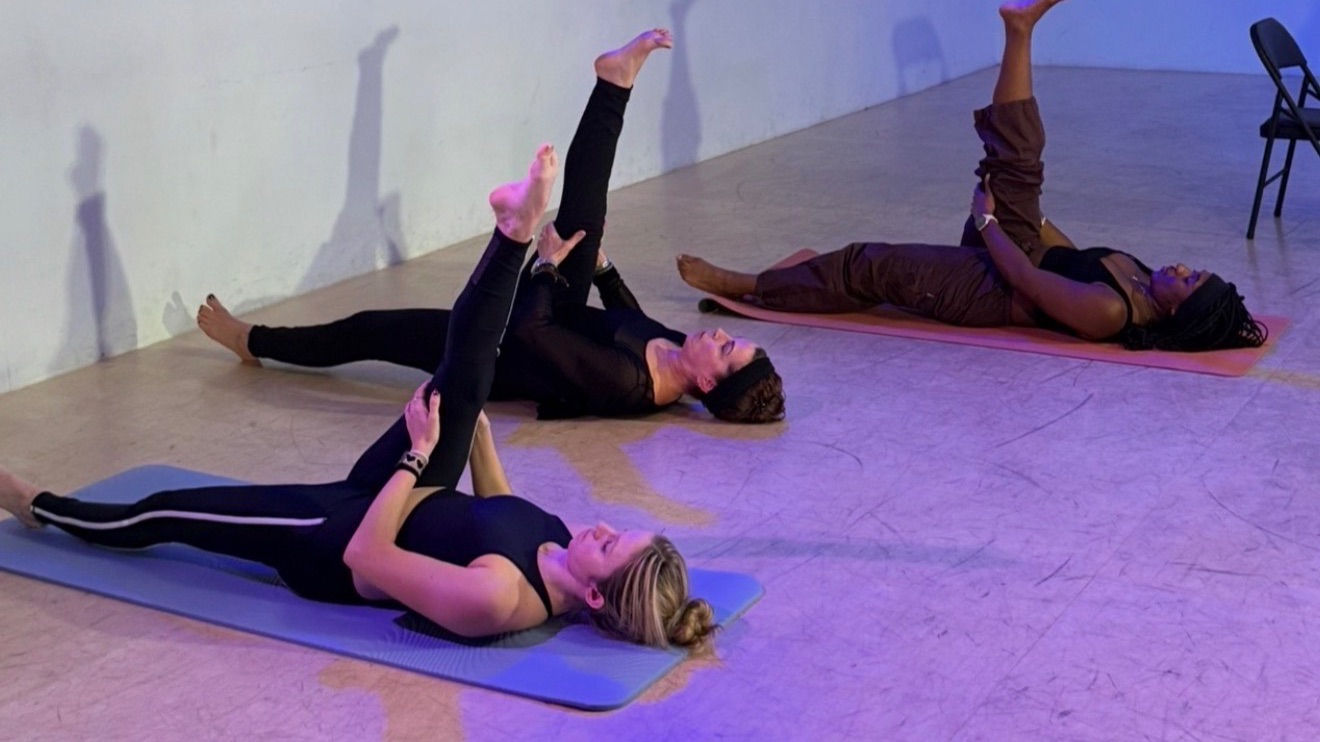
Introduction
Flexibility training is often misunderstood as simply “stretching,” yet it is a sophisticated physiological process involving muscles, tendons, fascia, and the nervous system. When applied appropriately, flexibility training supports healthy movement, efficient posture, injury prevention, and improved quality of life across the lifespan.
For many people—especially those who sit frequently, experience chronic tension, or are returning to exercise after injury—limited mobility is not caused by weakness alone, but by reduced tissue adaptability and altered neuromuscular control. Understanding how different tissues respond to flexibility training empowers individuals to train smarter, not harder.
This article explores the science of flexibility training in accessible language, explaining how muscles, tendons, and fascia adapt, how flexibility influences posture and movement efficiency, and how to design an effective, safe flexibility program for long-term mobility and health.
What Is Flexibility and Why Does It Matter?
Flexibility refers to the ability of tissues to lengthen and allow joints to move through an optimal range of motion. Importantly, flexibility is not about achieving extreme ranges, but about having enough mobility to move efficiently, comfortably, and safely in daily activities and exercise.
Adequate flexibility contributes to:
-
Efficient posture and alignment
-
Smooth, coordinated movement
-
Reduced joint strain and compensatory patterns
-
Improved balance and body awareness
-
Greater comfort during daily tasks
When flexibility is limited, the body often compensates elsewhere—leading to overuse, stiffness, pain, or fatigue over time.
The Tissues Involved in Flexibility Training
Flexibility training affects multiple tissues, each with distinct properties and adaptation timelines.
Muscles: Active Length and Neuromuscular Control
Muscles are contractile tissues designed to shorten and lengthen. While many people think stretching “lengthens” muscles permanently, research shows that most flexibility gains occur through changes in nervous system tolerance and muscle tone, rather than dramatic structural lengthening.
Muscle flexibility improves through:
-
Reduced protective muscle guarding
-
Improved neuromuscular coordination
-
Increased tolerance to stretch sensations
-
Improved reciprocal inhibition (allowing one muscle to relax when its opposite contracts)
Muscles respond best to slow, controlled stretching, breathing, and active movement through range rather than forceful or painful techniques.
Tendons: Force Transmission and Elastic Adaptation
Tendons connect muscles to bones and are designed to transmit force efficiently. Compared to muscles, tendons are:
-
Stiffer
-
Less vascular
-
Slower to adapt
Flexibility training affects tendons by improving:
-
Elastic recoil
-
Load tolerance
-
Energy efficiency during movement
Gentle, sustained loading—such as slow stretching combined with strengthening through full range—helps tendons adapt without irritation. Aggressive stretching without strength can compromise tendon health, particularly in aging or previously injured individuals.
Fascia: The Body’s Continuous Web
Fascia is a connective tissue network that surrounds and interconnects muscles, bones, nerves, and organs. Modern research shows fascia plays a critical role in:
-
Force transmission
-
Proprioception (body awareness)
-
Movement efficiency
-
Postural organization
Fascia responds best to:
-
Slow, multi-directional movement
-
Sustained stretching with breath
-
Gentle loading and hydration
-
Variability rather than repetitive strain
Because fascia adapts more slowly than muscle, consistency over time is more important than intensity.
Flexibility, Mobility, and Stability: Understanding the Difference
While flexibility refers to tissue extensibility, mobility is the ability to actively control movement through a range of motion. True mobility requires both flexibility and strength.
For example:
-
A flexible hip without strength may feel unstable
-
A strong joint without flexibility may feel stiff or restricted
Effective flexibility training should always support active control, integrating strength, balance, and coordination to protect joints and improve posture.
How Flexibility Influences Posture
Posture is not a static position—it is a dynamic expression of how the body balances itself against gravity. Restricted flexibility can pull the body into habitual patterns, such as:
-
Forward head posture
-
Rounded shoulders
-
Excessive spinal stiffness
-
Pelvic imbalance
When tissues adapt to prolonged positions (like sitting), flexibility training helps restore adaptability and balance across the system. Importantly, posture improves not by forcing alignment, but by restoring balanced tension and movement options.
Physiological Effects of Flexibility Training
Regular flexibility training produces measurable physiological changes, including:
Improved Circulation
Gentle stretching and movement enhance blood flow and lymphatic drainage, supporting tissue health and recovery.
Nervous System Regulation
Slow stretching combined with breathing activates the parasympathetic nervous system, reducing stress and muscle tone.
Improved Tissue Hydration
Fascia responds to movement by redistributing fluid, improving tissue glide and resilience.
Reduced Pain Sensitivity
Gradual exposure to stretch improves tolerance and reduces protective pain responses.
Functional Benefits of Flexibility Training
Beyond tissue changes, flexibility training enhances daily function:
-
Easier transitions between positions (standing, bending, reaching)
-
Improved balance and coordination
-
Reduced risk of strain during unexpected movements
-
Greater ease during exercise and recreational activities
-
Improved breathing mechanics and rib mobility
For older adults or those returning after injury, flexibility training supports confidence and movement independence.
Evidence-Based Recommendations for Flexibility Training
Frequency
-
3–5 days per week for general mobility
-
Daily gentle movement for stiffness or stress management
Duration
-
30–60 seconds per stretch
-
2–4 repetitions per area
Intensity
-
Stretch to mild to moderate sensation
-
Avoid pain, bouncing, or forced ranges
Breathing
-
Slow nasal breathing
-
Exhale into the stretch to reduce muscle guarding
Timing
-
Dynamic mobility before activity
-
Sustained stretching after activity or as a standalone session
Types of Flexibility Training
Static Stretching
Best for relaxation, recovery, and restoring range of motion when done gently and consistently.
Dynamic Stretching
Uses controlled movement through range to improve mobility and neuromuscular coordination.
Active Stretching
Engages muscles to move joints through range, improving strength and control.
Mind-Body Approaches
Yoga, Pilates, and therapeutic movement integrate flexibility with posture, breathing, and awareness—supporting long-term adaptability rather than short-term gains.
Common Mistakes in Flexibility Training
-
Stretching aggressively without warming up
-
Holding the breath
-
Isolating flexibility without strength
-
Chasing extreme ranges rather than functional movement
-
Ignoring individual anatomy and history
Flexibility should feel supportive, not depleting.
Flexibility Across the Lifespan
Flexibility naturally changes with age, but loss of mobility is not inevitable. With consistent, mindful training, tissues remain adaptable well into later decades. Older adults benefit most from:
-
Gentle, frequent movement
-
Slow progression
-
Integrated balance and strength
-
Emphasis on comfort and confidence
Flexibility training is not about regaining youth—it is about maintaining function, independence, and ease.
Conclusion
Flexibility training is a powerful tool for supporting mobility, posture, and overall well-being when grounded in an understanding of how muscles, tendons, fascia, and the nervous system respond to movement. Rather than forcing range, effective flexibility training restores balance, adaptability, and control.
When practiced consistently and intelligently, flexibility training enhances not only how the body moves—but how it feels, functions, and adapts to life’s demands.